5 Tips for Transitioning from Social Media to Broadcast TV
Posted on December 10, 2025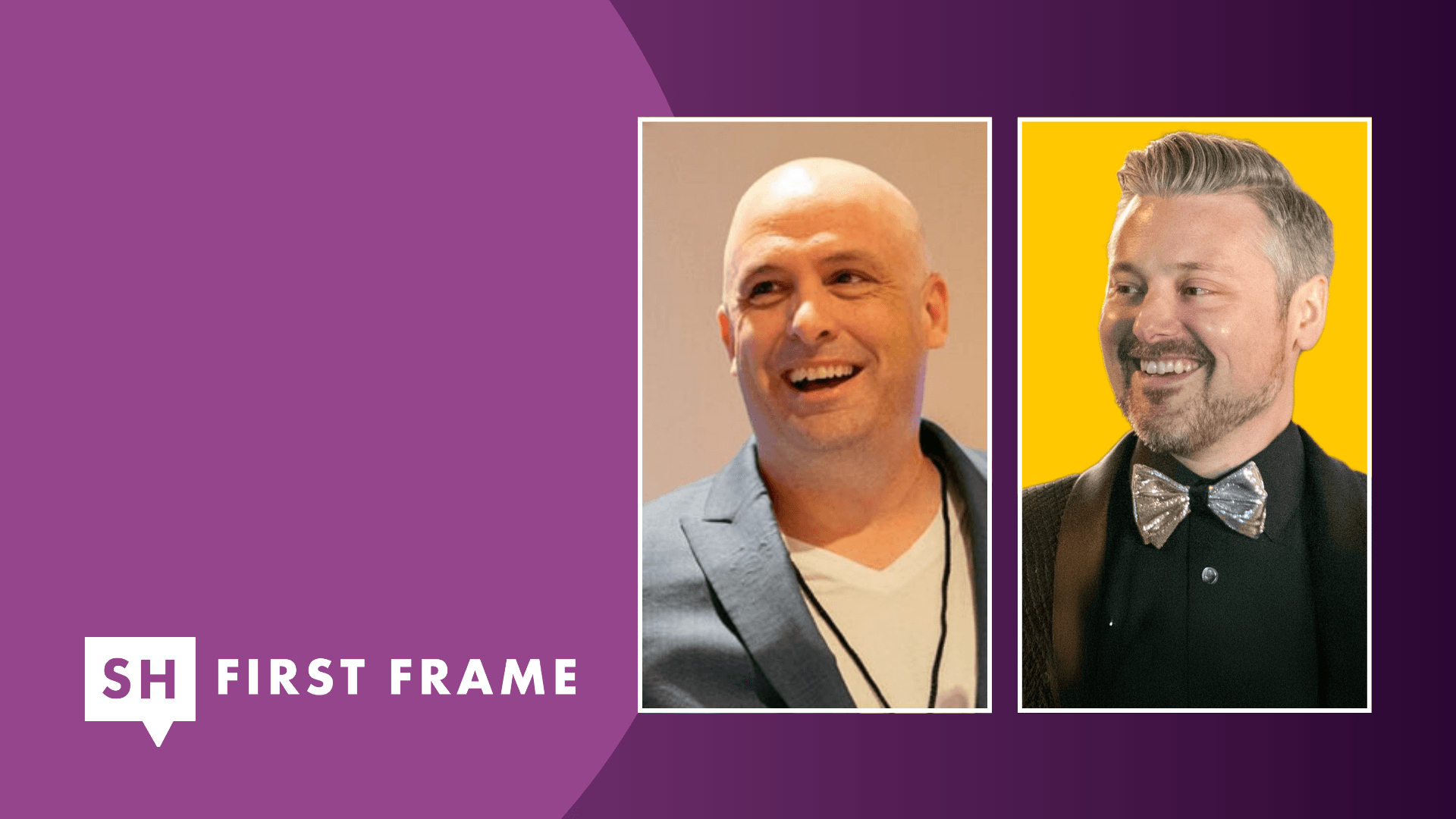
Navigating today’s creator landscape can feel like trying to bridge two worlds; between short-form algorithms, traditional broadcasters and shifting audience habits, the path forward can be overwhelming. But as digital creator and producer Scott Benzie and filmmaker-creator Corrado Coia explain, succeeding across platforms isn’t just about adapting formats, it’s about understanding audiences, ownership and opportunity.
Throughout their careers in both the traditional and digital spaces, Scott and Corrado have learned what it really takes to bring creator-driven ideas into the world of broadcast television without losing the heart of what makes online creators thrive.
Here are five key takeaways from their conversation on the First Frame podcast, hosted by Jennifer Park and Cameron Zinger.
1. Understand the real difference between broadcast and digital
While TV and online video might seem like completely different arenas, Scott says the true distinction isn’t the screen, it’s distribution. Broadcast relies on gatekeepers, while platforms like YouTube, TikTok and Twitch give creators direct, instant access to audiences.
Don’t assume that success in one space automatically translates to the other. Each ecosystem has its own expectations, standards and behaviours, and understanding those differences helps you position your work more strategically.
Before pursuing a broadcast opportunity, ask yourself: Does your story fit a system built around curation rather than algorithms?
2. Don’t rely on your online persona to carry you
“Audience behaviour is everything,” Scott explains. People expect to see YouTubers on YouTube. Trying to transplant that exact persona into a TV show usually doesn’t work.
Instead of pitching broadcasters on your online identity, pitch them on your skills; your writing, your comedic timing, your cinematography and your storytelling instincts.
Your character might not translate to TV, but your talent absolutely can.
3. Short-form platforms are still king for discovery
Scott emphasizes that YouTube Shorts and TikTok outperform everything else when it comes to being discovered. Broadcast discovery depends on marketing, promotion and limited shelf space, whereas digital platforms tailor recommendations to each individual viewer.
Corrado adds that broadcast networks simply can’t promote every show equally while algorithmic platforms can.
If your goal is to grow an audience, short-form is your most powerful tool. Broadcast can amplify your work, but it’s rarely the entry point.
4. Understand the trade-offs: control, exclusivity and IP
Moving into TV often means giving up a level of control that digital creators are used to. Broadcasters may require exclusivity, restrict where content can live or even negotiate ownership of certain rights. For creators, that can be a major adjustment.
TELUS STORYHIVE is one of the exceptions where creators keep their IP. But in many cases, broadcast means handing over some creative or distribution power. That doesn’t make it a bad opportunity, but it does mean going in with open eyes.
Before signing on, ask: What am I giving up and what am I gaining?
5. Always own your audience
“Don’t leave your future in the hands of YouTube or TikTok,” Scott says. Platforms change, algorithms shift and broadcasting rules vary by country. But an audience you own is an audience you can always reach.
That means building newsletters, email lists, communities or subscription-based platforms that live outside any single app or broadcaster.
Whether you’re entering TV, staying digital or balancing both, your audience is your most valuable asset and the one thing you should never hand over.
There you have it! Navigating between broadcast and digital spaces isn’t just about learning new formats. It’s about knowing your value, protecting your audience and understanding how each platform serves your creative goals. With clarity, adaptability and ownership, you can build a career that lasts, no matter where your work appears.
Check out the full episode below.
How to watch and listen
TELUS STORYHIVE First Frame is now available for free on TELUS Optik TV Video on Demand channel 9, Stream+ and YouTube or listen wherever you get your podcasts. Learn more at STORYHIVE.com/firstframe.